What Is Myofunctional Therapy and How Can It Help?
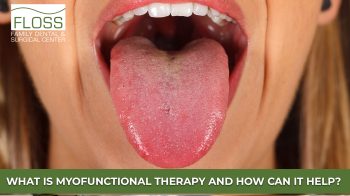 You might not think much about how your tongue rests or how you breathe during the day, but these small habits can play a surprisingly big role in your dental and overall health. At Floss Family Dental & Surgical Center in Lincoln, NE, Dr. Justin Villafane and his team help patients discover the powerful connection between the mouth, muscles, and airway through myofunctional therapy. This specialized approach focuses on retraining oral and facial muscles to work together properly, to improve breathing, sleep, and long-term dental stability.
As Dr. Villafane explains, “When your tongue and facial muscles work in harmony, everything from swallowing to breathing becomes easier. Myofunctional therapy helps restore that balance and supports a healthier foundation for your teeth, jaws, and airway.”
What Is Myofunctional Therapy?
Myofunctional therapy is a form of neuromuscular re-education. It helps train the muscles of the face, tongue, and mouth to function as they were meant to. Many people don’t realize that habits like mouth breathing, improper swallowing, or resting the tongue low in the mouth can disrupt natural development and strain the jaw and airway. Through targeted exercises, patients can strengthen and retrain these muscles, restoring balance and improving function.
A Simple Explanation of Muscle Retraining
Think of myofunctional therapy as physical therapy for the mouth and face. Just like physical therapy helps strengthen and coordinate muscles after injury, myofunctional therapy teaches the tongue, lips, and jaw how to move and rest correctly. Over time, this supports:
- Proper tongue posture, with the tongue resting against the roof of the mouth rather than low or forward
- Closed-lip breathing, promoting nasal airflow instead of mouth breathing
- Correct swallowing patterns, reducing tension in the face, neck, and jaw
- Improved alignment, which can support orthodontic and airway treatments
The process is gentle, noninvasive, and can make a meaningful difference in daily comfort and long-term oral health.
Why Tongue and Breathing Habits Matter
The way you use your tongue and facial muscles affects more than just speech. It helps to shape how your teeth and jaws develop, how efficiently you breathe, and even how you sleep.
How Improper Habits Affect Dental and Airway Health
When the tongue rests too low or the lips remain open, it can alter facial growth and contribute to issues such as:
- Crooked or crowded teeth
- Open bites or relapse after orthodontic treatment
- Mouth breathing and dry mouth
- Snoring or airway obstruction during sleep
- TMJ tension and headaches
These problems often start subtly and progress over time. By identifying and correcting dysfunctional habits early, myofunctional therapy can help support healthier growth in children and reduce strain on the jaws and airway in adults.
In Lincoln, where seasonal allergies are common, mouth breathing can become an ingrained habit without patients even realizing it. Over time, this can contribute to poor sleep, fatigue, and chronic dryness. Myofunctional therapy helps retrain these breathing patterns, encouraging nasal breathing that filters, warms, and humidifies the air naturally.
Who Benefits from Therapy
Myofunctional therapy isn’t limited to one age group. Both children and adults can experience positive results, especially when the therapy is part of a broader treatment plan involving tongue tie release, orthodontics, or airway care.
Children, Teens, and Adults with Tongue Ties, Mouth Breathing, or TMJ Issues
For children, therapy can guide proper tongue placement and swallowing, helping to support jaw and facial development. Teens may benefit when preparing for or maintaining orthodontic treatment, ensuring their new alignment remains stable. Adults often turn to myofunctional therapy to relieve tension, improve sleep, or support recovery from TMJ discomfort.
Common reasons patients seek this therapy include:
- Tongue or lip ties affecting speech or swallowing
- Mouth breathing or snoring
- Posture-related tension in the neck and jaw
- Orthodontic relapse due to poor tongue habits
- Chronic TMJ discomfort linked to muscle imbalance
By addressing the muscular component of oral health, myofunctional therapy complements dental or orthodontic treatments and may promote lasting improvement.
How the Process Works
Each myofunctional therapy plan at Floss Family Dental & Surgical Center begins with a thorough evaluation. This includes assessing how the tongue, lips, and jaw move and rest, along with observing swallowing and breathing patterns. From there, Dr. Villafane and his collaborating specialists create a custom program that fits your needs and pace.
Evaluation, Custom Exercises, Follow-Ups
Therapy typically includes:
- Comprehensive assessment of oral and facial function
- Personalized exercise routines you can practice at home
- Progress check-ins to refine movements and build strength
- Collaborative care with speech-language pathologists or myofunctional specialists when needed
Consistency is key. Most programs last several weeks to months, with gradual improvement in posture, breathing, and muscle coordination. Many patients notice subtle benefits early on, such as easier nasal breathing or less jaw tightness.
The Floss Dental Philosophy
At Floss Family Dental & Surgical Center, we believe in a collaborative, patient-centered approach that helps us identify root causes, so we can find solutions that address them. But we don’t stop with your mouth. Rather than viewing the mouth as separate from the rest of the body, Dr. Villafane and his team understand that airway, muscle balance, and dental alignment are deeply connected.
Dr. Villafane shares, “Our goal is to look beyond teeth and gums. We want to understand how the mouth functions as a whole, and how breathing, muscle coordination, and structure all play a role in your health.”
Collaborative Care Between Dentist and SLP
Dr. Villafane works closely with speech-language pathologists and myofunctional therapists to deliver coordinated care. This teamwork allows you to receive comprehensive evaluations and exercises tailored to your specific challenges. Whether it’s integrating therapy before a tongue tie release or supporting recovery after orthodontic treatment, this collaboration can help maximize both comfort and outcomes.
Frequently Asked Questions About Myofunctional Therapy
How long does therapy take?
Treatment length varies depending on age, goals, and consistency. Many programs last between 6 and 12 weeks, but improvement often continues as new habits take hold.
Is it only for kids?
No. Myofunctional therapy benefits patients of all ages. Adults often find relief from jaw discomfort, mouth breathing, or sleep issues that have persisted since childhood.
Will insurance cover it?
Coverage varies by plan. Some medical or dental policies may include benefits when therapy is part of a treatment plan involving airway or speech-related issues. The Floss Family Dental team can review your options and discuss flexible payment plans to make care accessible.
Book a Myofunctional Evaluation
If you or your child struggle with mouth breathing, speech challenges, or jaw tension, myofunctional therapy may help restore balance and comfort. At Floss Family Dental & Surgical Center in Lincoln, NE, Dr. Justin Villafane and his team use advanced diagnostics and collaborative care designed to improve oral function, breathing, and overall wellness. Call today or visit Floss Family Dental & Surgical Center to schedule your evaluation and learn how myofunctional therapy can support your long-term health.
Disclaimer: The content of this blog is not intended to be a substitute for professional medical advice, diagnosis, or treatment. Always seek the advice of qualified health providers with questions you may have regarding medical conditions. Your results may vary.
Dr. Justin Villafane
Floss Family Dental & Surgical Center
What Patients Are Saying
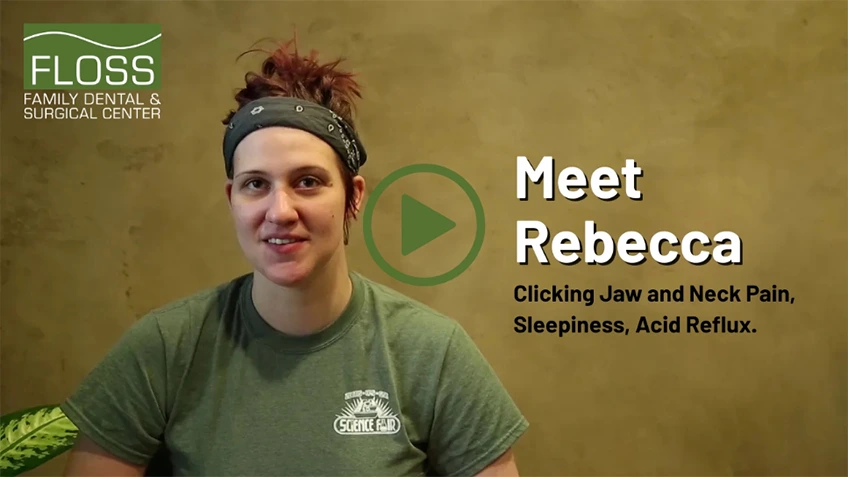
Please note: The reviews displayed here are from Google.
Individual results may vary, and these testimonials do not guarantee specific treatment outcomes.