

Snoring Isn’t Just Annoying; It’s a Dental Red Flag
 Snoring may be common, but it’s not something you have to ignore or just “live with.” If you or your partner regularly snores, wakes unrefreshed, or struggles with daytime fatigue, your body may be signaling that something deeper is going on with the airway.
At Floss Family Dental & Surgical Center in Lincoln, NE, we take snoring seriously because it is often more than a nighttime noise issue. Snoring can be a dental red flag, a sign that the airway is not functioning well, and that your breathing may be disrupted while you sleep.
We help patients uncover the reason behind snoring and create real, noninvasive solutions that support better sleep, healthier breathing, and improved daily function.
Why Snoring Happens
Snoring occurs when airflow is partially blocked while you sleep. As air squeezes through a narrowed space, tissues vibrate and produce the familiar sound your partner keeps nudging you about.
Snoring can happen for many reasons, including:
- Tongue slipping back into the throat at night
- Low tongue posture during the day
- Mouth breathing
- A narrow dental arch or high palate
- Sleep apnea
- Chronic nasal congestion
- Tongue or lip ties restricting proper oral posture
When the airway becomes compromised, your body will compensate however it can, including relying on mouth breathing rather than nasal breathing, which can worsen snoring and sleep quality.
Why a Dentist Plays Such an Important Role
Most people think snoring is something to discuss with a doctor or try to fix at home with nasal strips, special pillows, and mouth tape. While these aids may help temporarily, they don’t usually address the root problem.
Dentists trained in airway-centered dentistry, like Dr. Villafane at Floss Family Dental & Surgical Center, can identify underlying structural causes by evaluating:
- Jaw position
- Tongue posture
- Palate development
- Dental arch width
- Signs of grinding, wear, or compensation patterns
If snoring is happening because your airway is being reduced or collapsing during sleep, your mouth often shows the early signs long before serious symptoms develop.
Snoring Can Be a Warning Sign
Not all snoring is dangerous, but persistent or loud snoring often indicates something more serious, such as obstructive sleep apnea, where breathing repeatedly pauses throughout the night. Untreated sleep apnea has been linked to:
- High blood pressure
- Weight gain or trouble losing weight
- Chronic fatigue and brain fog
- Low oxygen levels during sleep
- Increased risk of stroke and heart disease
Even if you don’t think your snoring is “that bad,” the long-term effects on health, mood, and cognitive performance can be surprising. If your partner often tells you that you:
- Snore loudly
- Stop breathing for brief moments
- Gasp or choke at night
- Toss and turn all night
- Wake up tired even after 7–9 hours…
…it’s worth talking to someone who understands the airway.
How Floss Family Dental & Surgical Center Helps
At Floss Family Dental & Surgical Center, we take a functional and collaborative approach to diagnosing and treating snoring. We don’t just quiet the noise; we work to improve your breathing and quality of life.
Our snoring and sleep support may include:
1. Oral Appliance Therapy
We design custom oral appliances that gently reposition the jaw during sleep to help maintain a more open airway. These appliances are:
- Comfortable
- Noninvasive
- Easy to travel with
- Often covered by medical insurance
Many patients experience significant improvement without ever needing a CPAP.
2. Airway Development and Expansion
If a narrow palate or restricted jaw position is contributing to snoring, we may use oral appliances that gradually expand oral structures, helping create more room for the tongue and improving airflow.
This approach is especially beneficial for growing children, who still have the ability to reshape their airway as part of development.
3. Tongue and Lip Tie Treatment
Tight frenula can restrict tongue movement and contribute to:
- Low tongue posture
- Mouth breathing
- Narrow palate development
- Snoring or sleep-disordered breathing
With a fast, precise CO2 laser frenectomy, Dr. Villafane can release restrictions comfortably and efficiently. Many patients notice improvements in breathing, sleep, or oral posture soon after the procedure.
4. Myofunctional Therapy
We work with myofunctional therapy to help retrain the tongue and facial muscles to support healthy breathing and oral posture. This can be especially beneficial when combined with frenectomy or airway appliance therapy.
5. Collaboration with Sleep Specialists
We work closely with Somnos Sleep Disorder Center and ENTs in Lincoln to ensure patients receive complete evaluation and support. When needed, we can coordinate:
- Sleep studies
- Medical evaluations
- Long-term airway management
You never have to navigate the process alone.
Snoring isn’t just noise; it’s a signal
Your body is telling you something. And at Floss Family Dental & Surgical Center, we listen.
When the airway begins working as it should, patients often report:
- More restorative sleep
- Fewer nighttime interruptions
- Sharper focus
- Increased energy
- Reduced snoring
- Improved mood and daytime function
If you’ve tried “everything” without success, you deserve a solution based on your unique airway, not a one-size-fits-all product from the store.
Ready to sleep quietly again?
Schedule your airway and snoring evaluation today.
Disclaimer: The content of this blog is not intended to be a substitute for professional medical advice, diagnosis, or treatment. Always seek the advice of qualified health providers with questions you may have regarding medical conditions. Your results may vary.
Dr. Justin Villafane
Floss Family Dental & Surgical Center
What Patients Are Saying
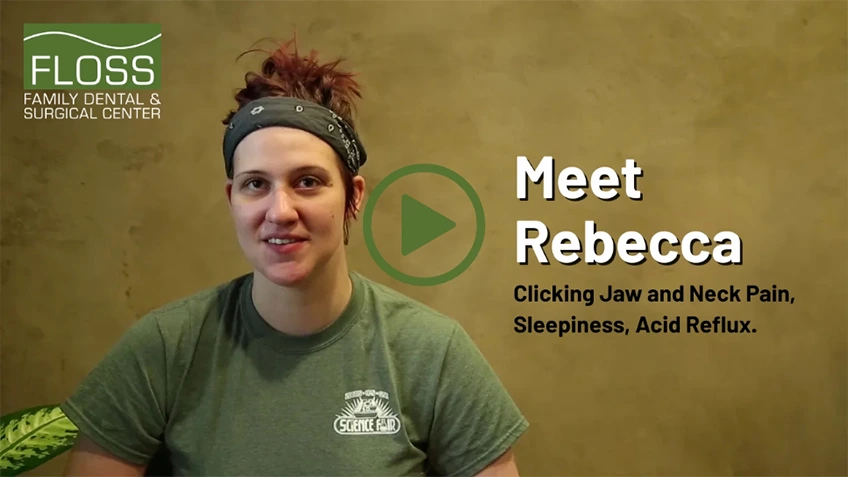
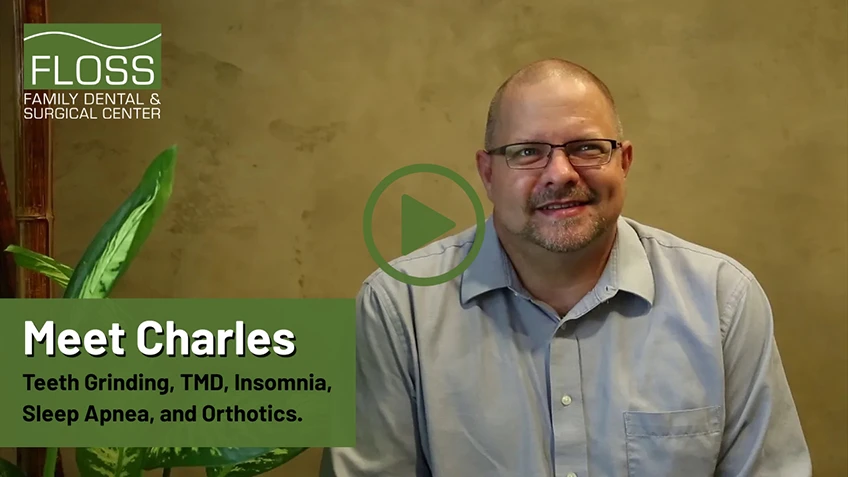
Please note: The reviews displayed here are from Google.
Individual results may vary, and these testimonials do not guarantee specific treatment outcomes.


